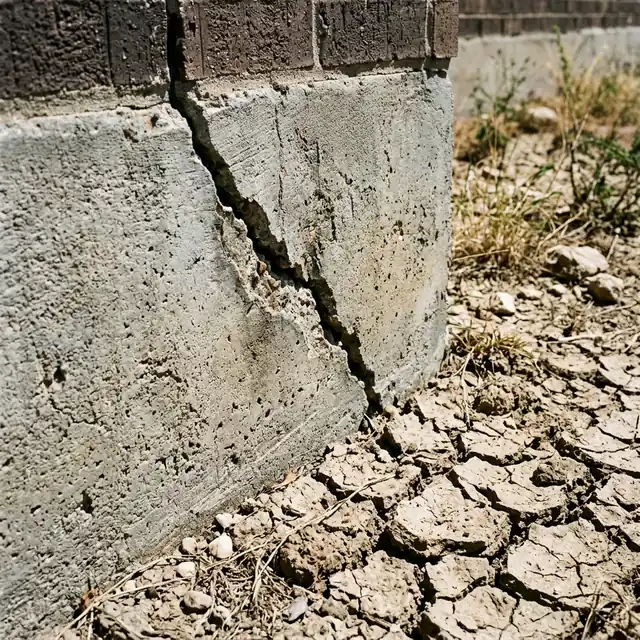
What Makes Clay Soil Different
Unlike sandy or rocky soil, clay absorbs water and expands significantly, then contracts as it dries out. This cycle repeats with every wet and dry season, putting ongoing stress on foundations and the plumbing that runs through or under them.
How This Stress Leads to Plumbing Failures
Foundation movement can stress supply lines and drain pipes running beneath a slab, eventually causing a slab leak. These leaks can run for a long time before becoming visible, since the water often travels along the path of least resistance before surfacing.
Signs Your Foundation Movement May Be Affecting Plumbing
Watch for hairline cracks in walls or flooring, doors and windows that stick when they didn't before, or an unexplained increase in your water bill. Any of these can point to foundation-related plumbing stress before an obvious leak appears.
Why Slab Leaks Are Different to Detect
A slab leak doesn't always show up as standing water. It can present as a warm spot on the floor, a musty smell, or simply higher water bills. Our slab foundation water damage page covers detection and response in more detail.
What to Do If You Suspect Foundation-Related Water Damage
Call for a professional assessment rather than guessing. Our structural drying team uses moisture meters and thermal imaging to trace water that's traveled under flooring before it ever reaches a visible surface.
Why Catching This Early Matters in Lancaster Specifically
Because expansive clay soil is a constant, year-round factor here rather than an occasional risk, foundation-related plumbing issues tend to recur if the underlying soil movement isn't accounted for. A restoration crew that understands this regional pattern documents the connection clearly for your insurance adjuster, rather than treating each leak as an isolated event. If your home has already had one slab leak, it's worth asking your plumber whether nearby sections of pipe show similar early stress before a second leak catches you off guard. This kind of soil-driven plumbing stress isn't something a homeowner can prevent outright, but staying alert to the early signs keeps a small problem from becoming a major one.
Notice signs of a slab leak? Call (972) 645-4358 for an assessment across Lancaster.